
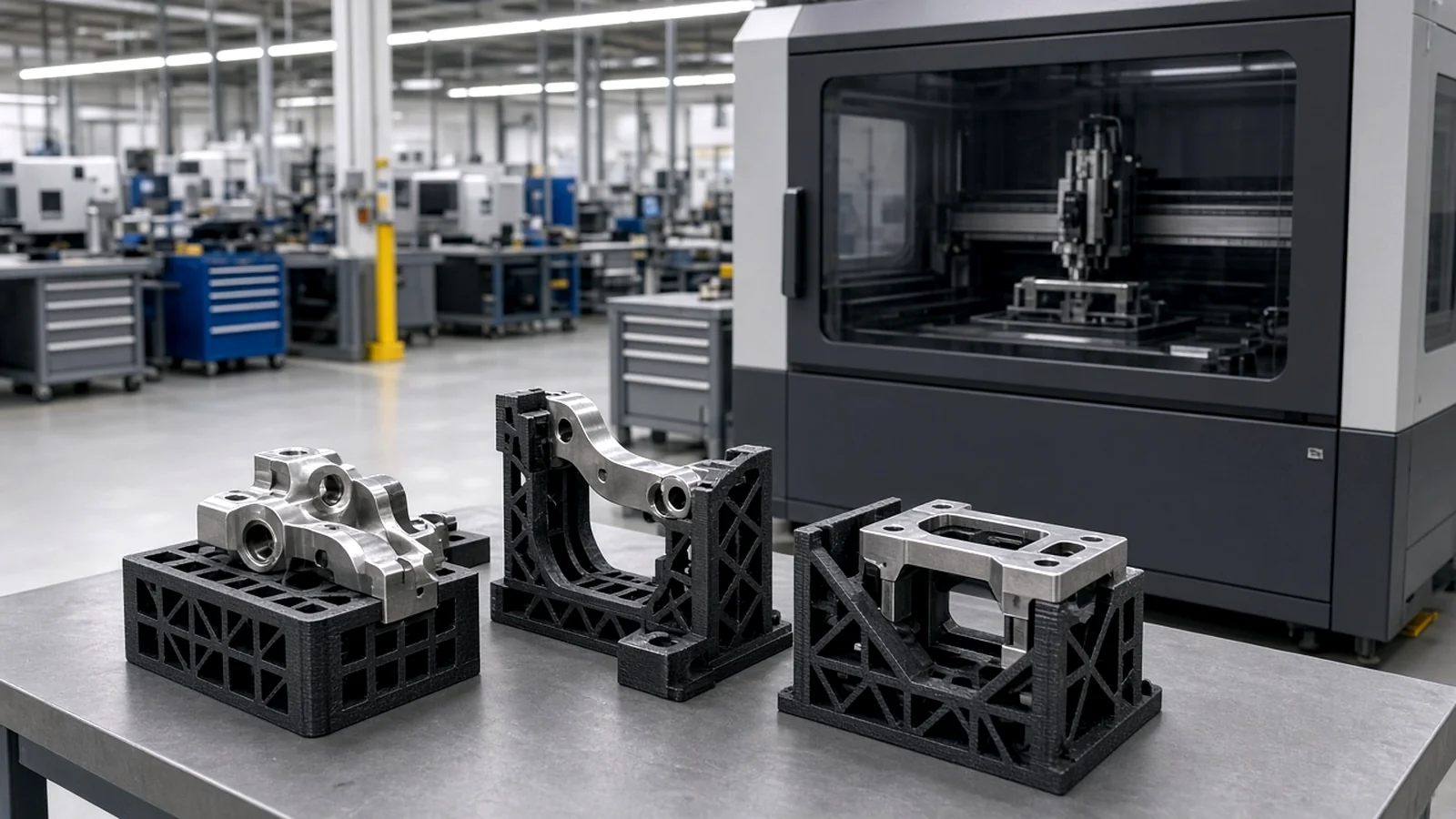
Shop-Floor Jigs & Fixtures on Industrial 3D Printers: When FGF Beats Machined Plastic
A practical guide for production engineers — nest fixtures, drill guides, and soft jaws on enclosed FDM vs pellet FGF, plus how C6–C12 cells pay back on the line.
Новини
A practical guide for production engineers — nest fixtures, drill guides, and soft jaws on enclosed FDM vs pellet FGF, plus how C6–C12 cells pay back on the line.
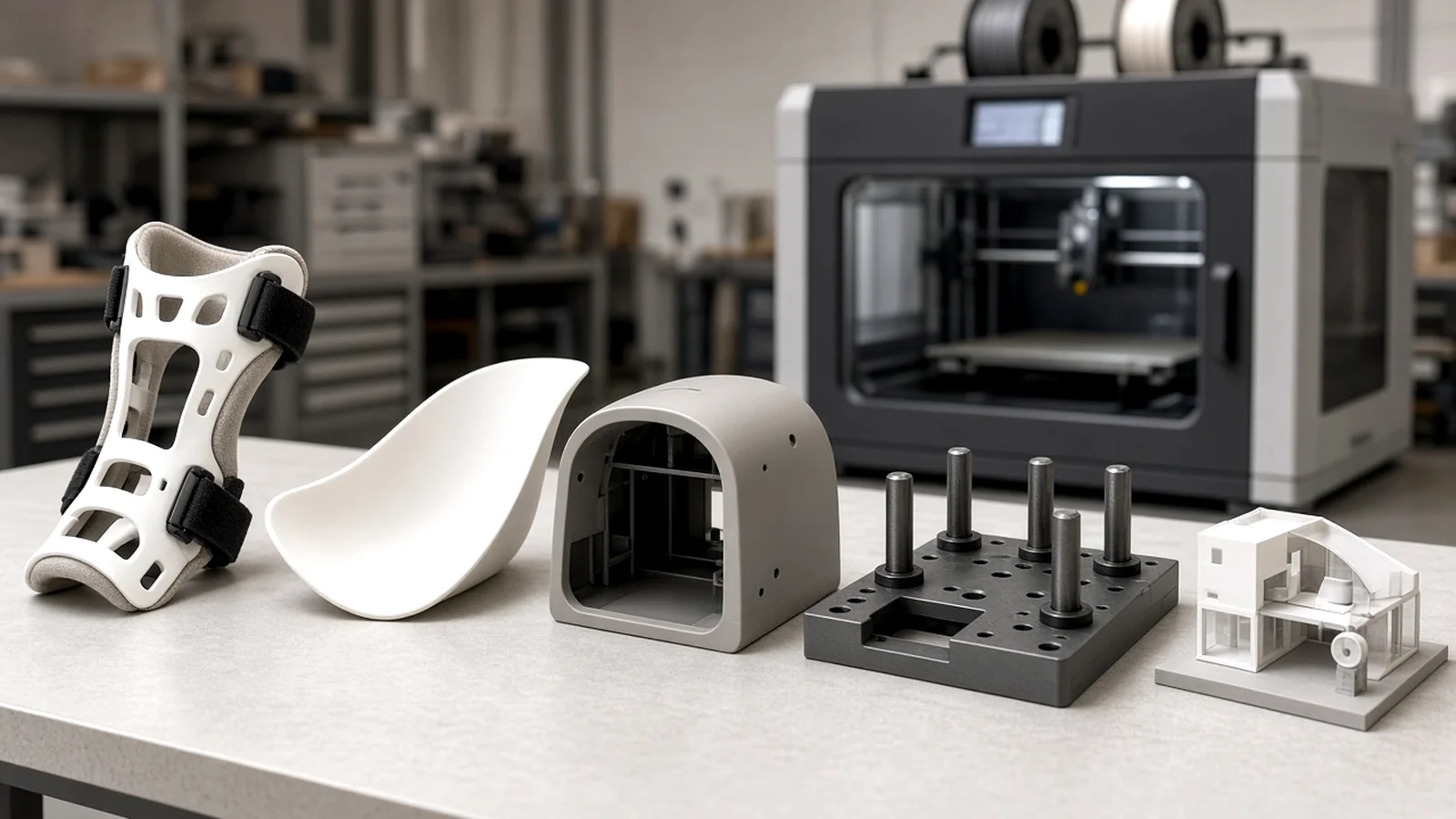
Five high-ROI application scenarios for enclosed FDM and pellet FGF platforms — orthotics, furniture/interior design, product hand boards, shop-floor jigs, and presentation models — plus how to pick C6–C16, robot, or LSAM.
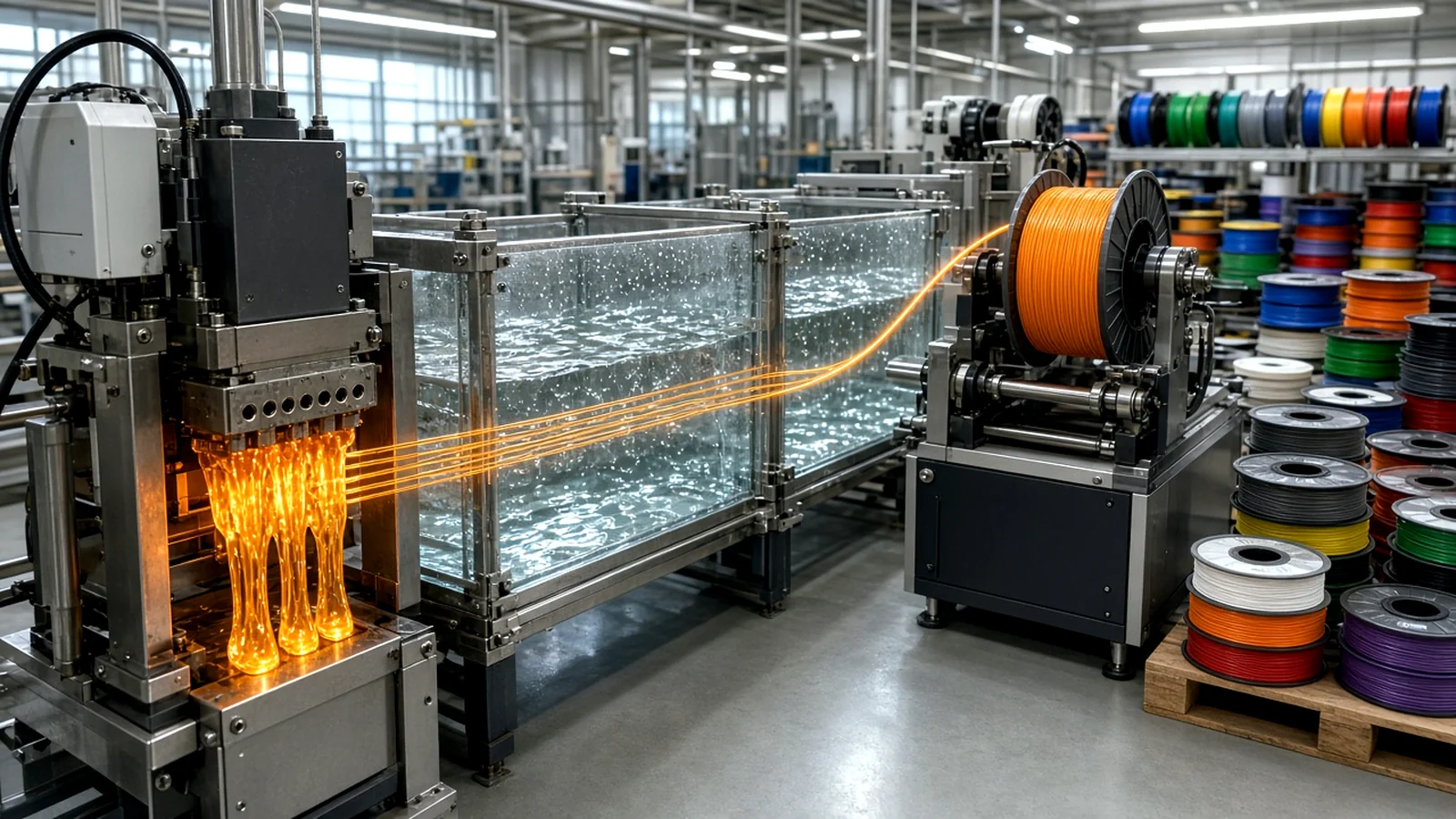
A profit-first playbook for distributors, print farms, and regional brands — install a KBL-class extrusion line, make PLA/ABS/PETG locally, undercut imported spools on freight, and keep margin in your own market.
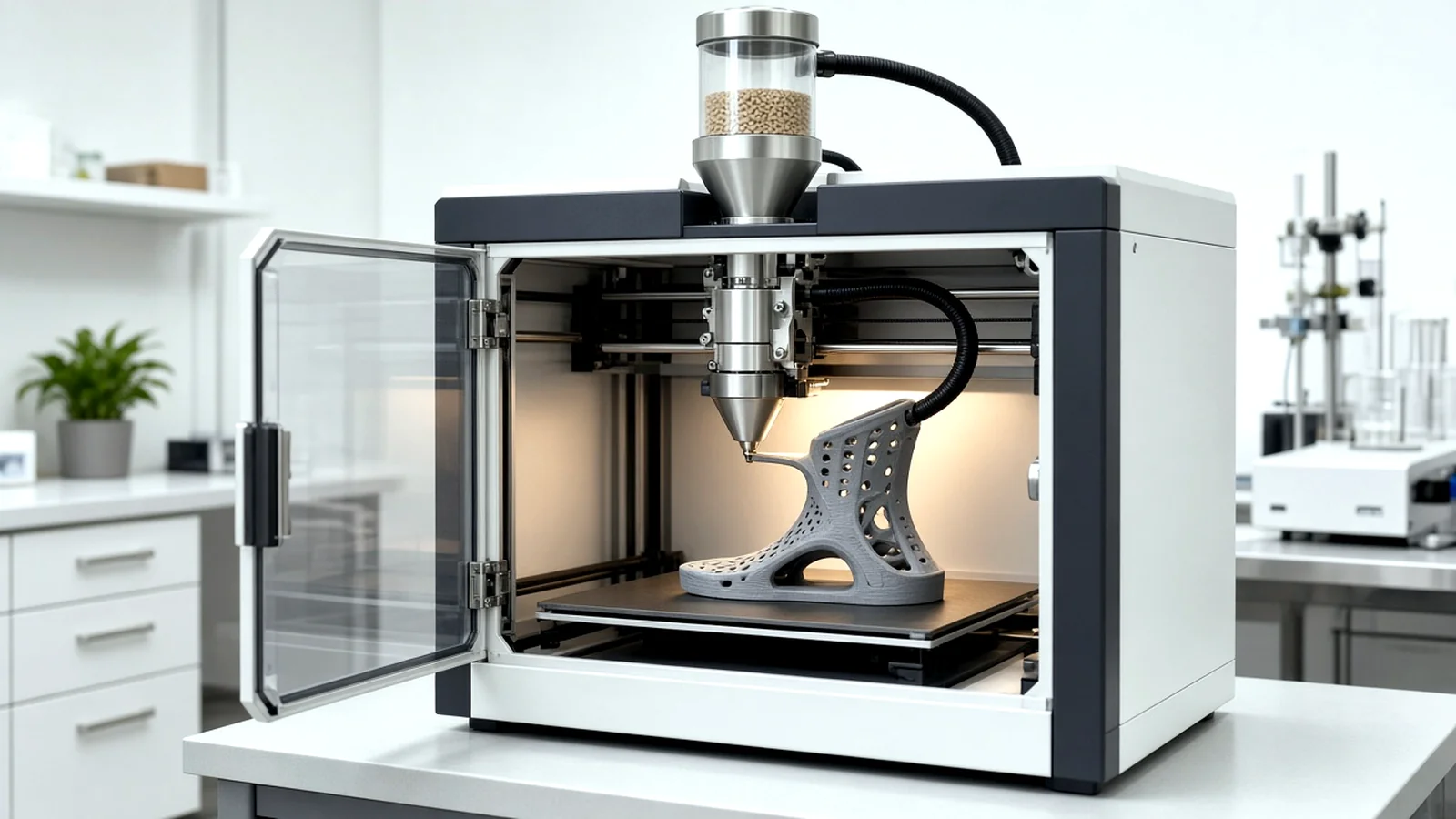
A practical checklist for orthotics and brace workshops running plastic-pellet FGF — dryer sizing, moisture control, compressor-free auto suction, and when enclosed cells beat filament-only fleets.
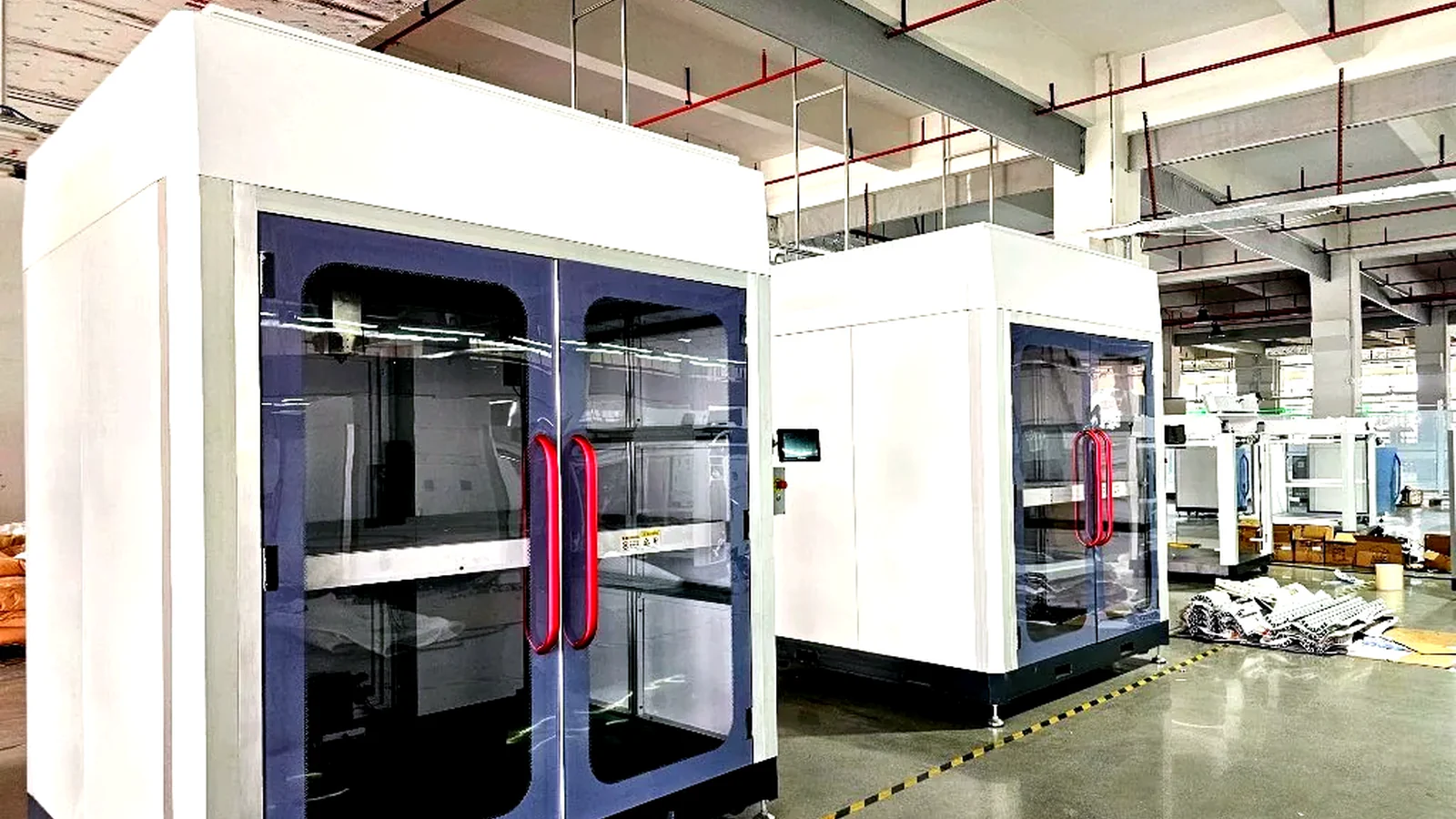
Inside QS3Dmachine’s Foshan workshop — why we build industrial plastic-pellet (FGF) printers as a source factory, how auto suction works without an air compressor, and why the platforms suit medical braces and high value-for-money production.
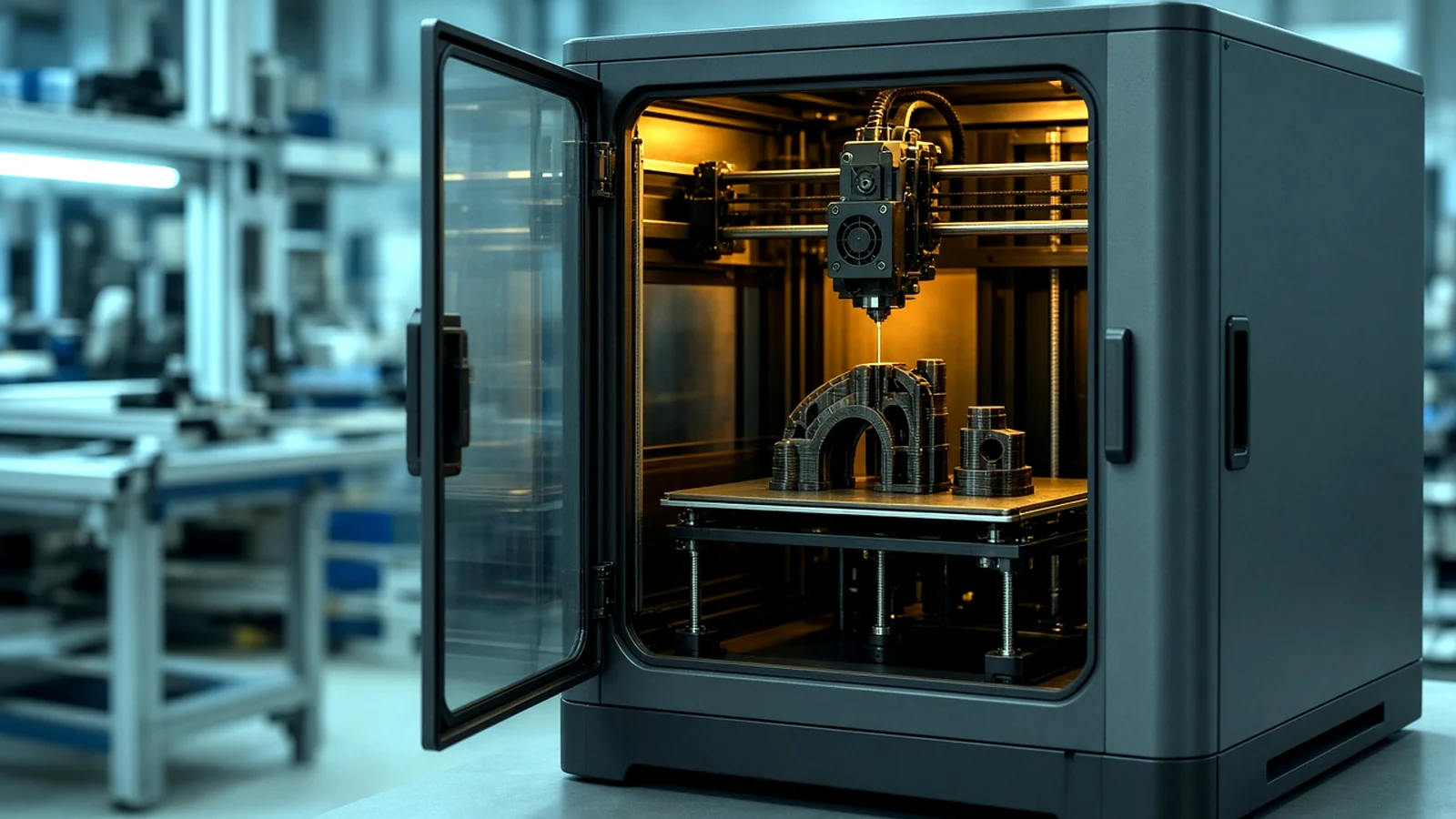
How actively heated chambers affect warping, interlayer strength, and material choice on enclosed industrial FDM — and when C6-HT class platforms justify a high-temp upgrade.
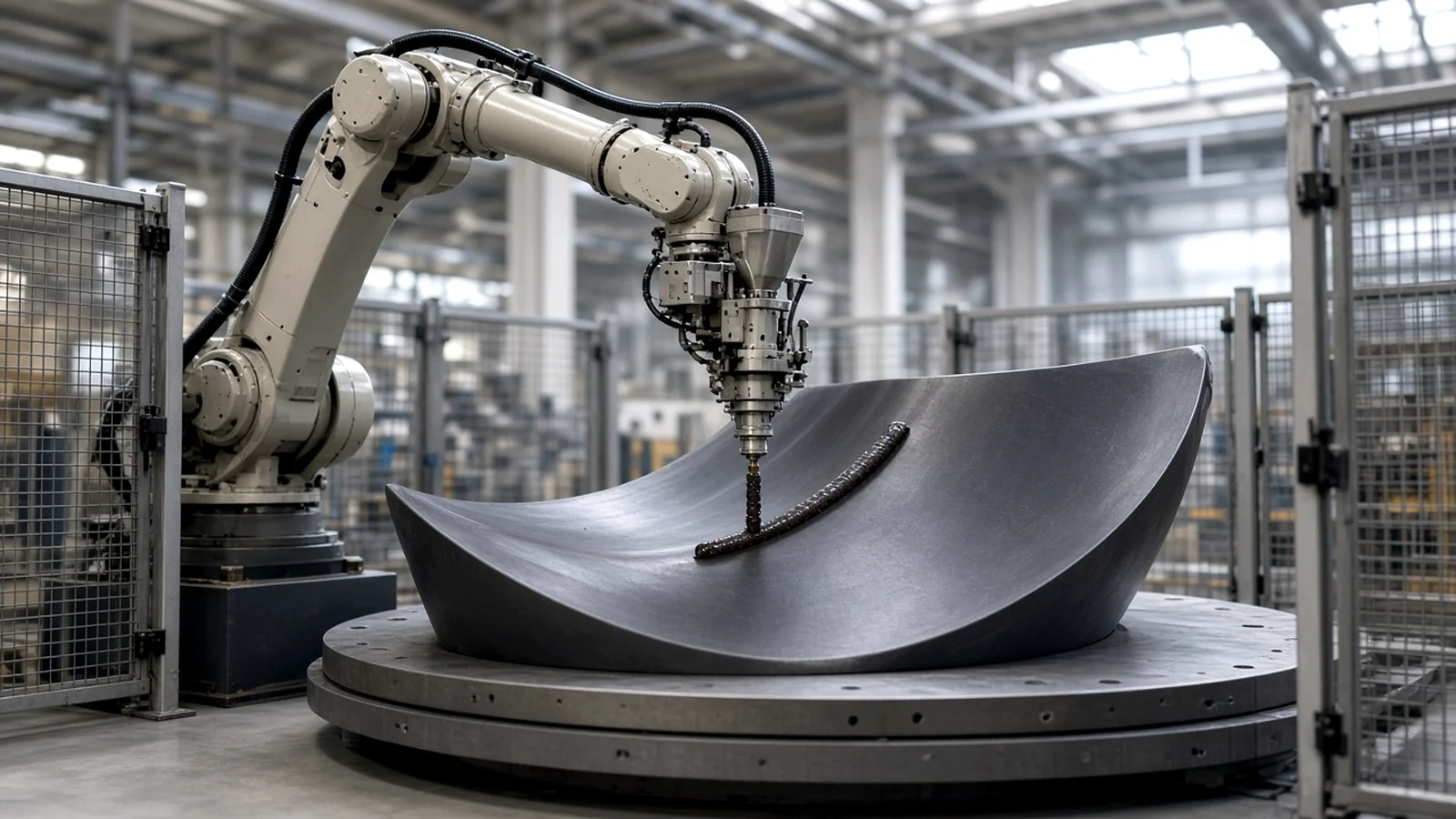
A buyer checklist for hybrid robot cells — reach, end-effectors, FGF pellet heads, and when a 6-axis cell beats a fixed C40 gantry for tooling and large polymer parts.
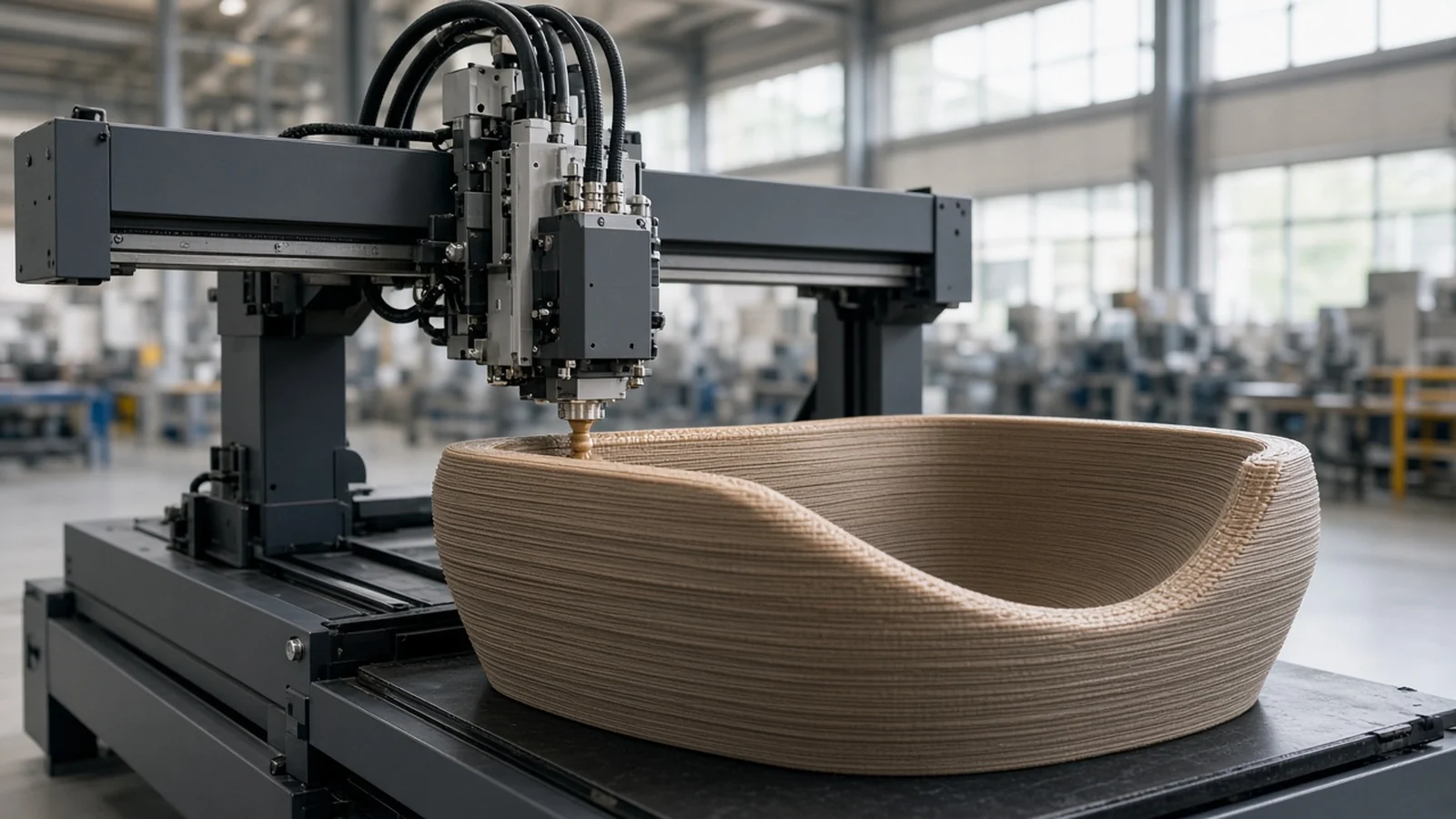
How pellet FGF platforms cut material cost and raise throughput for furniture-scale parts, tooling and short-run production — versus enclosed FDM filament systems.

A buyer guide for artists, foundries, and cultural projects — maquettes on enclosed FDM, large polymer sculptures on FGF/LSAM, and hybrid robot cells for finish-ready surfaces.
З нетерпінням чекаємо роботи з вами